


Coruchéus Library reinforces thermal comfort and climate adaptation
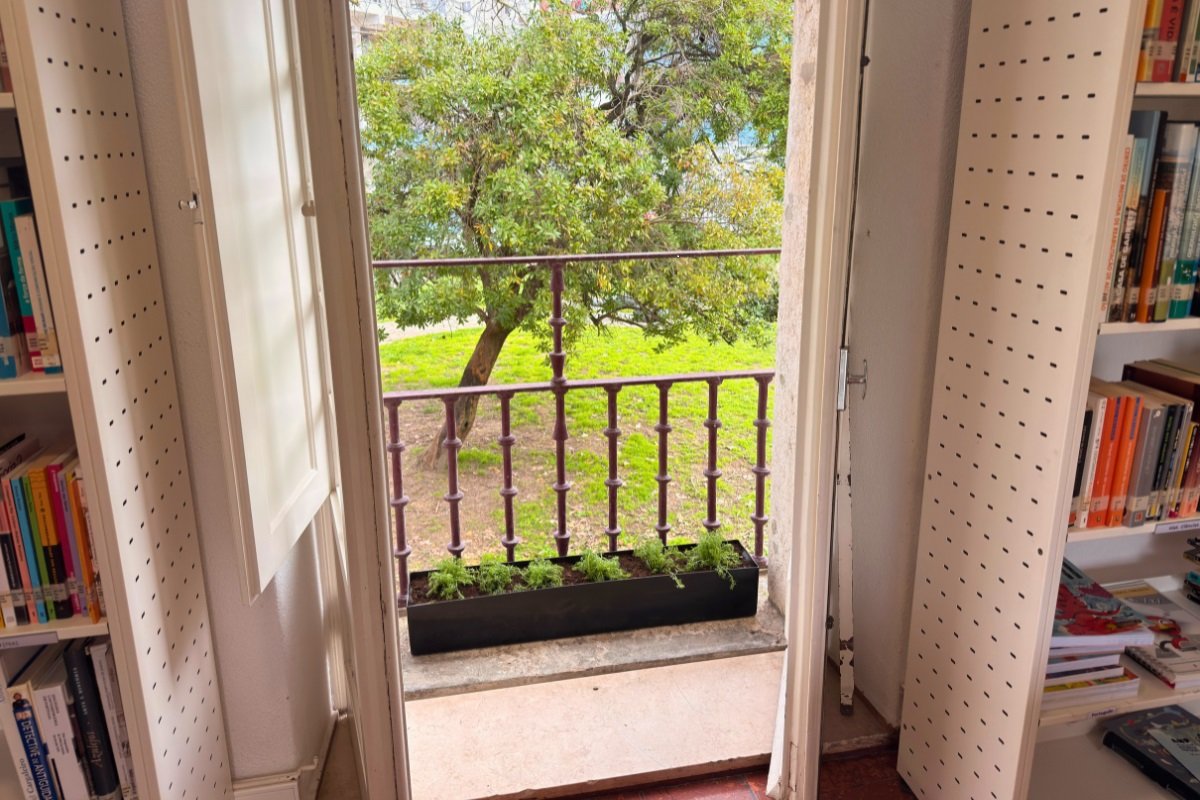

The placement of aromatic plants such as rosemary, lavender, lemon balm, chamomile, sage, lavender and olive trees makes the façade "greener and fresher", helping to reduce the building's thermal load and offering better comfort conditions for users. At the same time, it reinforces the environmental value of the space and its adaptation to climate challenges.
The action included the participation of the National Civil Engineering Laboratory (LNEC), Lisboa E-Nova and the Coruchéus Library team.
The library is also part of Climate Walk CoolNoons and the Cool Noons project, an Interreg Euro-MED initiative, which began in 2023. The project aims to design and test innovative solutions to adapt urban destinations to climate change, in particular the warming of cities in the Mediterranean area.
Lisbon is one of the five pilot cities and the project includes the development of urban "cool paths", as well as local interventions to mitigate the effects of heat, with an impact on the thermal comfort of tourists and inhabitants.
As part of the European UP2030 project, the Coruchéus Library is one of the four pilot facilities in Lisbon. UP2030 aims to support cities in the transition to sustainable urban development and in meeting the carbon neutrality targets set for 2030.
Lisbon is one of eight European cities involved in testing and validating these solutions, with a pilot in the Alvalade neighborhood and four selected sites: Alvalade Market, LNEC, São Miguel Rugby Club/São João de Brito Sports Complex and the Coruchéus Library.