


European Affordable Housing Plan presented in Lisbon
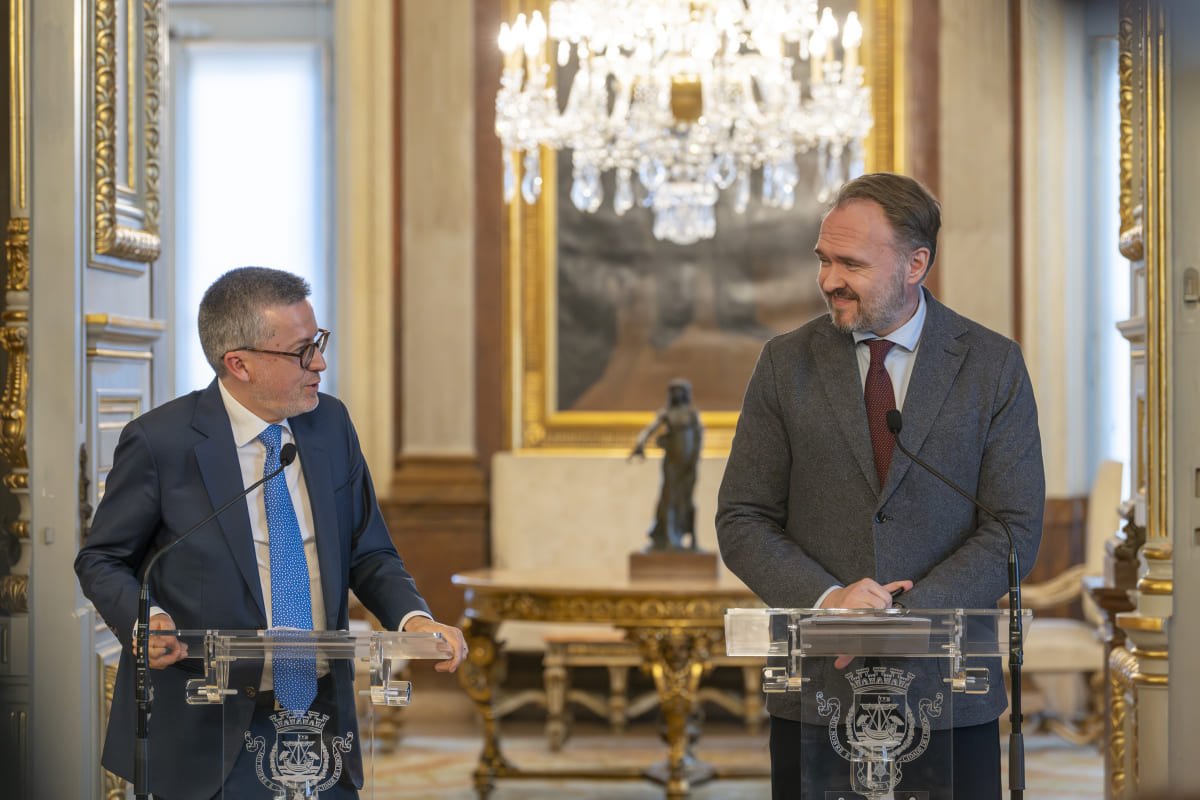
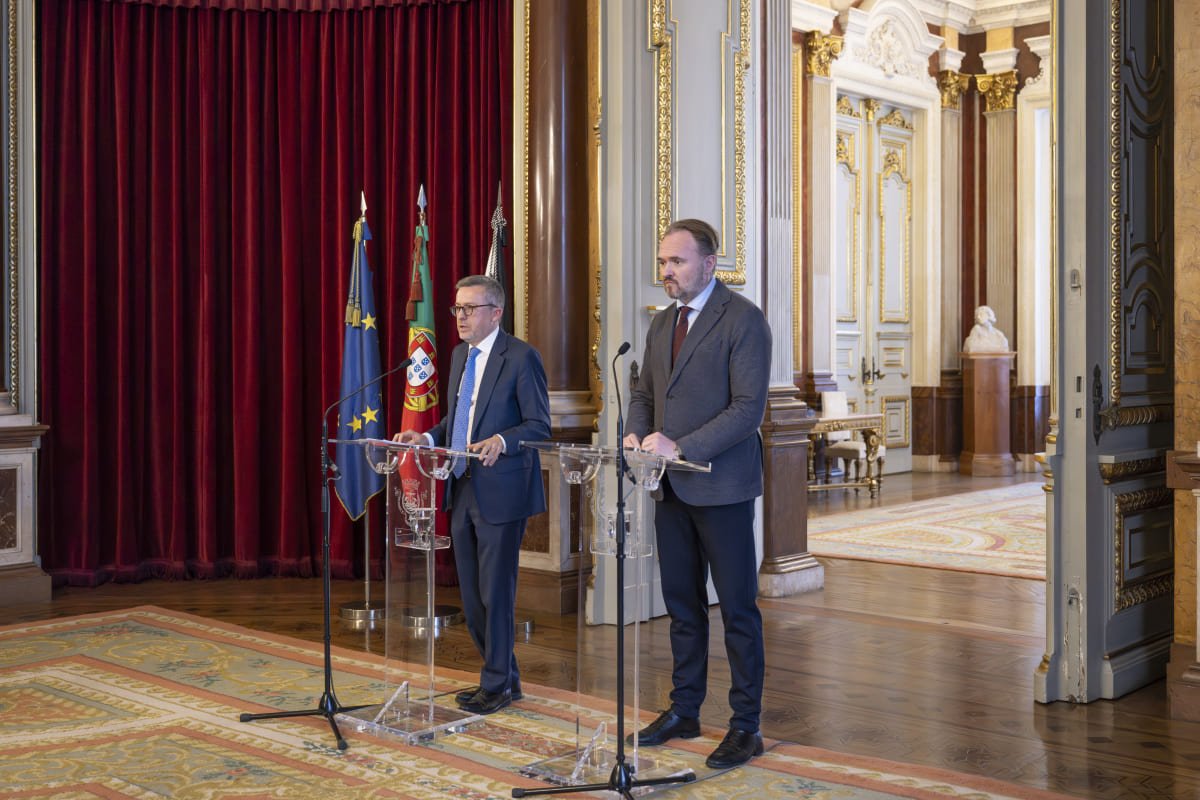
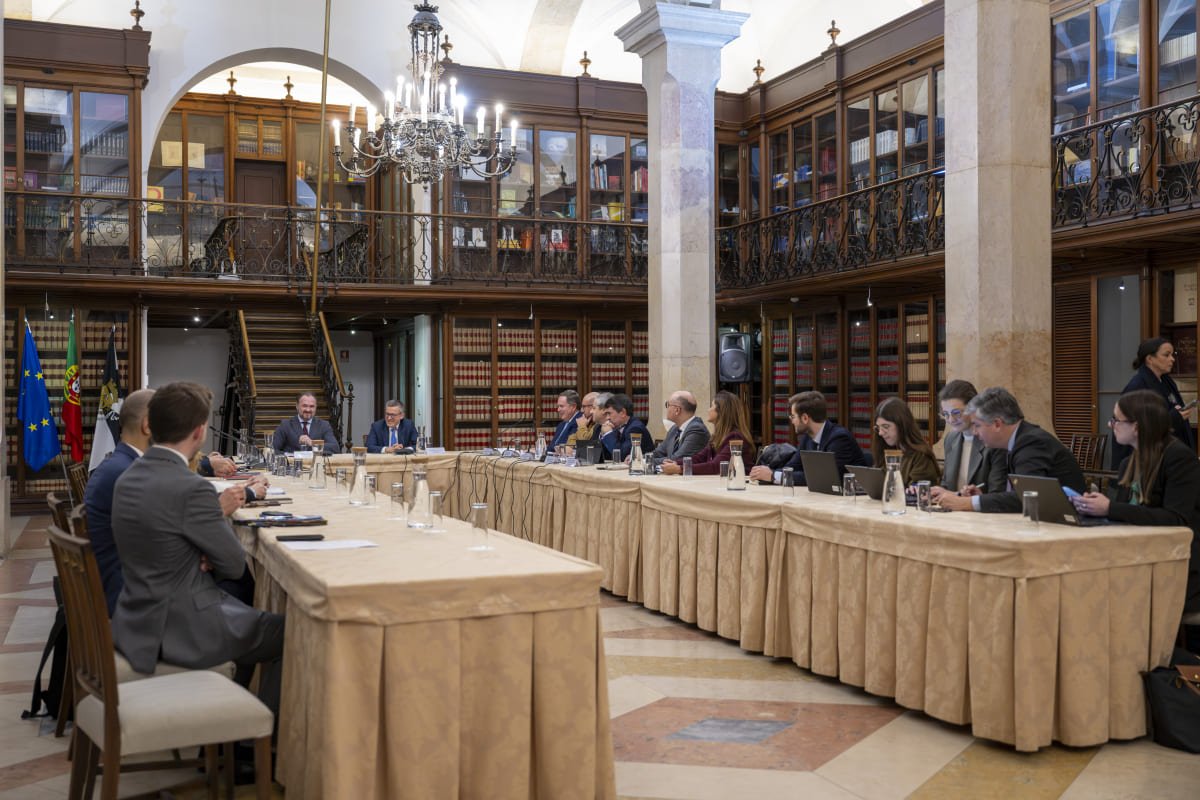
The Mayor of Lisbon, Carlos Moedas, today received the European Commissioner for Energy and Housing, Dan Jørgensen, for the presentation of the first European Plan for Affordable Housing (PEH). The plan was drawn up with input from the European Parliament and the Housing Advisory Board, which has Carlos Moedas as its vice-chairman: the Lisbon mayor is the only Portuguese and the only mayor to be part of the group.
This plan, "crucial for Europe", said Carlos Moedas, "is not just a diagnosis, it is an implementation and action plan". Europe's diagnosis, however, "is not so different from the diagnosis in our country: an exponential and galloping increase in real estate prices, a reduced public supply and a reduced private supply".
But Lisbon, he said, "has done a lot to solve this problem, which was created many years ago, when we had rents that increased by 64% in the last 10 years, when people's incomes only increased by 22%".
In Europe, "these rents have increased by 22%", Carlos Moedas stressed. According to estimates by the European Commission, house prices in Portugal are overvalued by 25%, the highest percentage in the EU.
For this reason, Lisbon has had an action plan over the last four years "that is based on exactly these pillars of this European Plan: increasing supply, increasing public supply with the Lisbon City Council, mobilizing investment across Europe, (...) and then the immediate help that we have to give to people".
From 2021 until now, "we have delivered 3,200 houses to Lisbon residents, 2,000 were houses that were abandoned and that we have rehabilitated and we have more than 1,000 houses under construction," said Carlos Moedas. "We have 220 hectares to develop, the Vale de Santo António, the Vale de Chelas, with more than 5,000 houses that we're going to be able to do, but we also need the help of private individuals, we need everyone's help."
All this effort, he added, "would not have been possible without the European Union". Lisbon has mobilized 560 million euros of European investment. But, he pointed out, "this amount ends in June of this year, so "we need more, we need a PRR Housing".
After this date, "many councils will have national support or their own capital, but they don't have the capacity for such large amounts". In Lisbon, he said, "we have the possibility of doing another 5,000 units in the future, but we don't have the capital to do it". This is "Europe's real problem", he concluded.
Having a home is "a human right"
"We need cities where normal people, with normal jobs, doctors, teachers, policemen can live where they belong," said European Commissioner Dan Jørgensen.
Having a home is "a human right, it's more than just a roof over your head. It is the basis of your life.
So, he stressed, "we need more investment". We are working on a "pan-European investment platform", to channel 10 billion euros a year, which will unite "investors, public authorities, a sector that will help us build all these new homes", revealed Dan Jørgensen.
In many cities, he pointed out, "short-term housing is a big problem and we need to do something about it".
The European Affordable Housing Plan is "a first step". Now, "the plan needs to be implemented, we need to work with cities like Lisbon and countries like Portugal to make sure it makes a difference to people."
A plan based on four pillars:
- Boosting housing supply: increasing efficiency in construction; strengthening productivity and innovation in construction; reducing bureaucracy; combining affordability, sustainability and quality of housing;
- Mobilize investment: encourage public and private investment; create a new Pan-European Investment Platform; review state aid rules;
- Enabling immediate support while boosting reforms: combating short-term rentals in areas with housing difficulties; proposing legislation on short-term rentals; combating speculation; promoting transparency in the housing market; boosting structural reforms in the Member States;
- Protect those most affected: mobilize investment for student housing, promote innovative housing models for young people and help mobile students from disadvantaged backgrounds; expand social housing and support people in vulnerable situations.