


Moita Macedo eternalized in Lisbon with street name
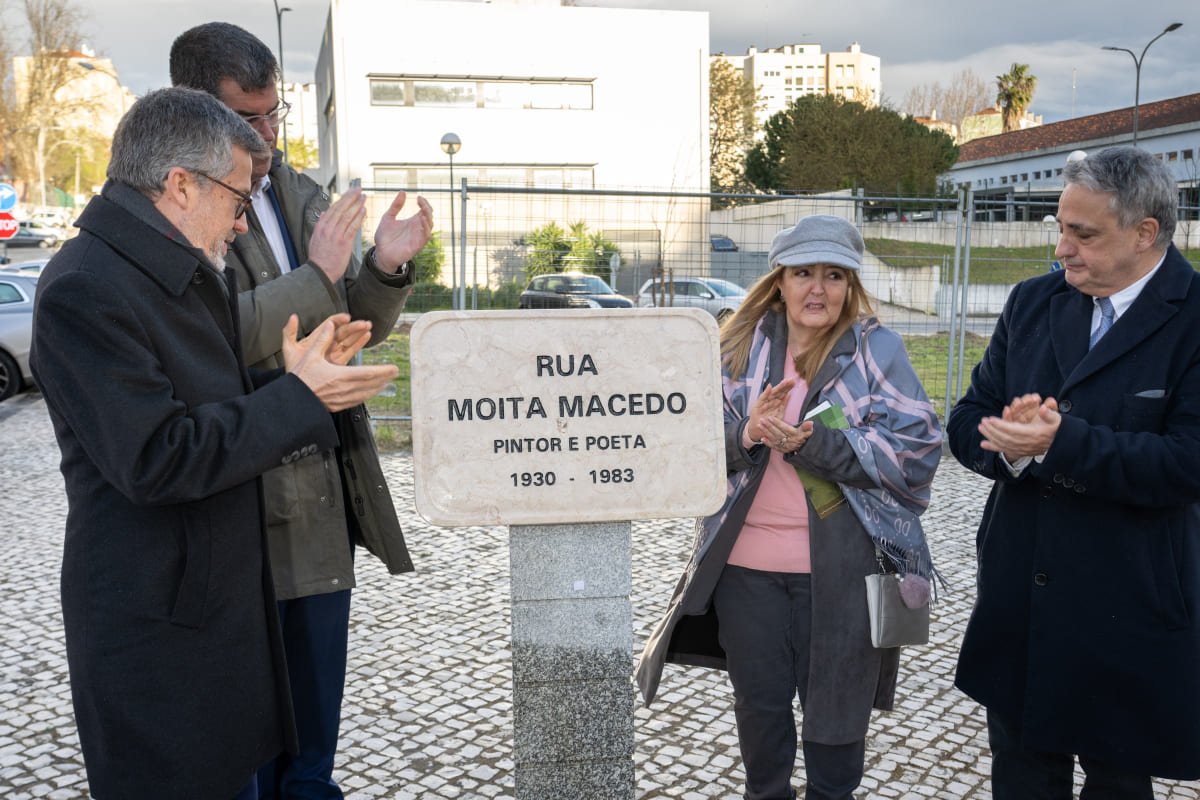

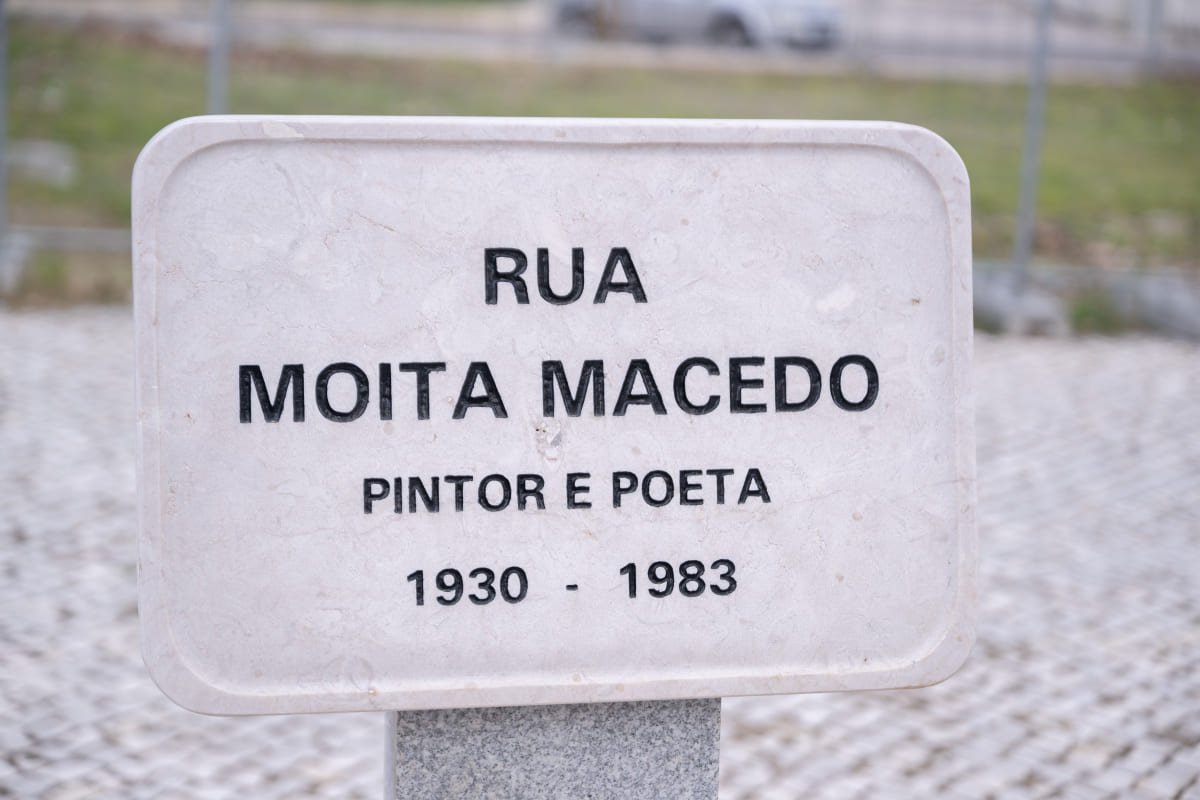
José Albano Pontes Santos Moita Morais de Macedo was born in Benfica do Ribatejo and chose Lisbon as the center of his creative activity.
Between 1964 and 1983, he kept a studio on Rua da Venezuela, in Benfica, and worked on Rua Braamcamp, in the city center, spaces where he found a balance between urban energy and the serenity of seclusion, a dichotomy reflected throughout his work.
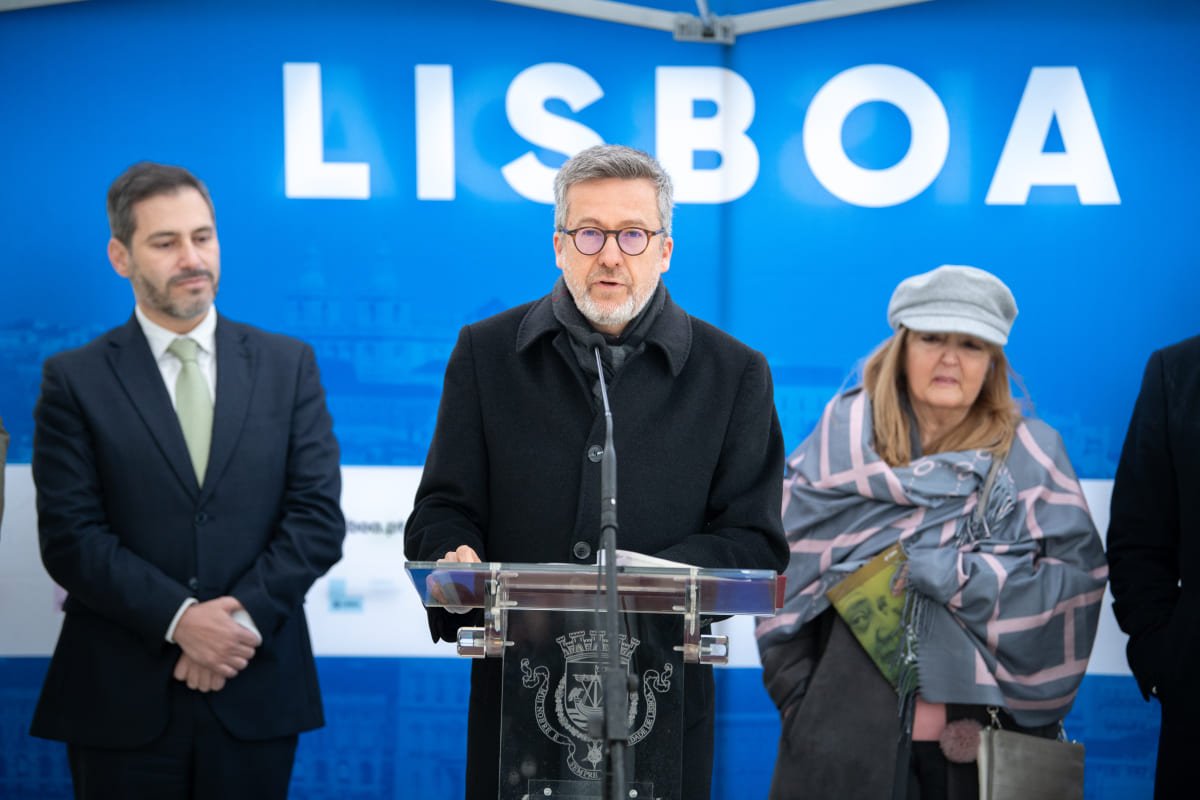
"I've painted verses, I've written pictures," said Carlos Moedas, recalling the self-taught artist with no higher education. "Painting and poetry appeared to Moita Macedo as emanations from the same source, from his intuition," said the Mayor of Lisbon at the opening ceremony.
"For his children, it's certainly something special to remember the time when the house was full of drawings, leaves and canvases," said the mayor, addressing the artist's relatives who joined in this tribute.
Self-taught, guided by instinct and personal taste, Moita Macedo began his professional career at Siderurgia Nacional, an experience that marked his visual language. At the Cooperativa Gravura, where he met Almada Negreiros, he developed innovative techniques, such as scratched engraving on glass, exploring light, contrast and transparency in a unique way.
His career included exhibitions at venues such as Galeria Futurismo and Galeria Opinião, reflecting on themes such as the end of times, devastation and hope, in works such as "Hiroxima" and "Apocalipse". In 1981, he co-authored the book "Cantares de Amigo", revealing the poet that inhabited the artist.
Moita Macedo died prematurely in Lisbon on May 18, 1983, but his legacy lives on. Lisbon City Council had already paid tribute to him in December 2002 with the launch of the book "Poemas" and an exhibition of his paintings.
Recognizing Moita Macedo as an outstanding reference in the panorama of Portuguese painting from the second half of the 20th century and considering Lisbon to be an undeniable source of inspiration for his work, the municipality approved the naming of the new street after him.
"He was a free artist, driven by intuition, adventure and a deep idealism that marked his entire oeuvre. Today, his name is forever linked to the city," said Carlos Moedas.