


Stolpersteine project honors Holocaust victims
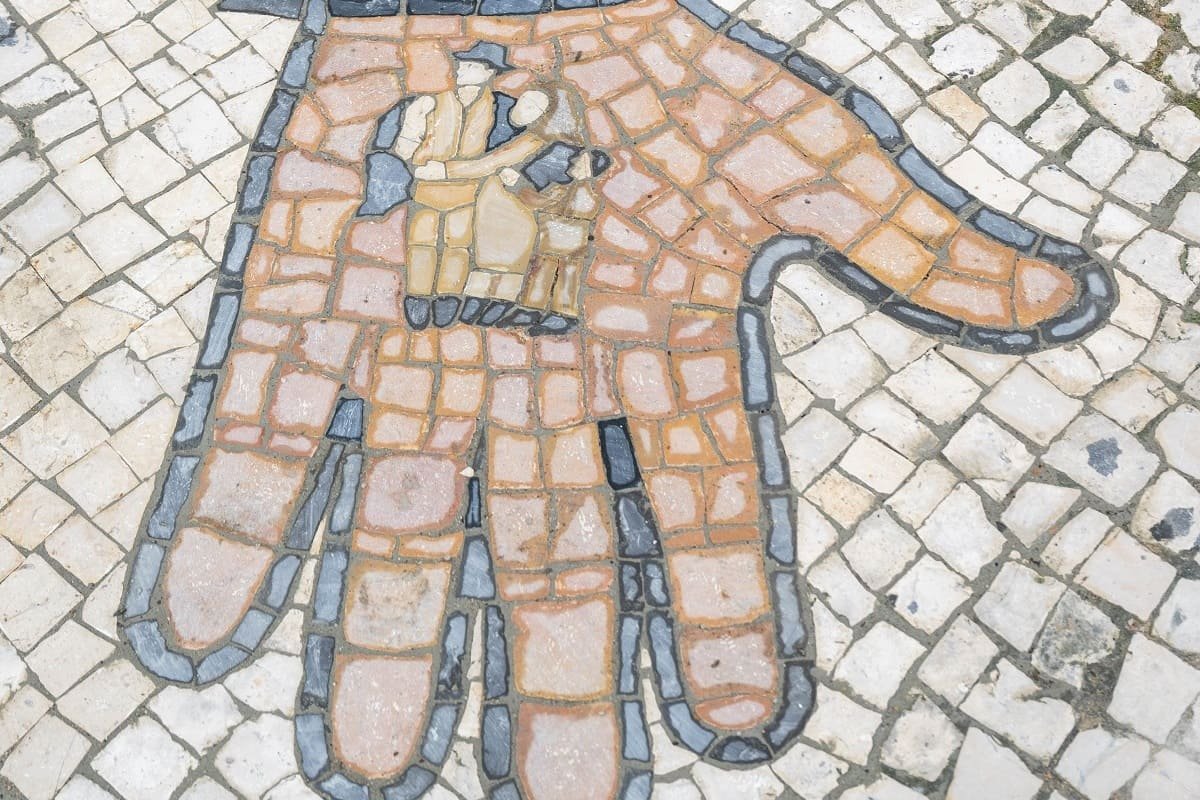
![[Translate to English:] “Cookie“, filha de uma sobrevivente do holocausto, e Luís Pereira, autor da obra](/fileadmin/atualidade/noticias/_processed_/c/c/csm_CMS_-0126__1__aad35174d4.jpg "[Translate to English:] “Cookie“, filha de uma sobrevivente do holocausto, e Luís Pereira, autor da obra")
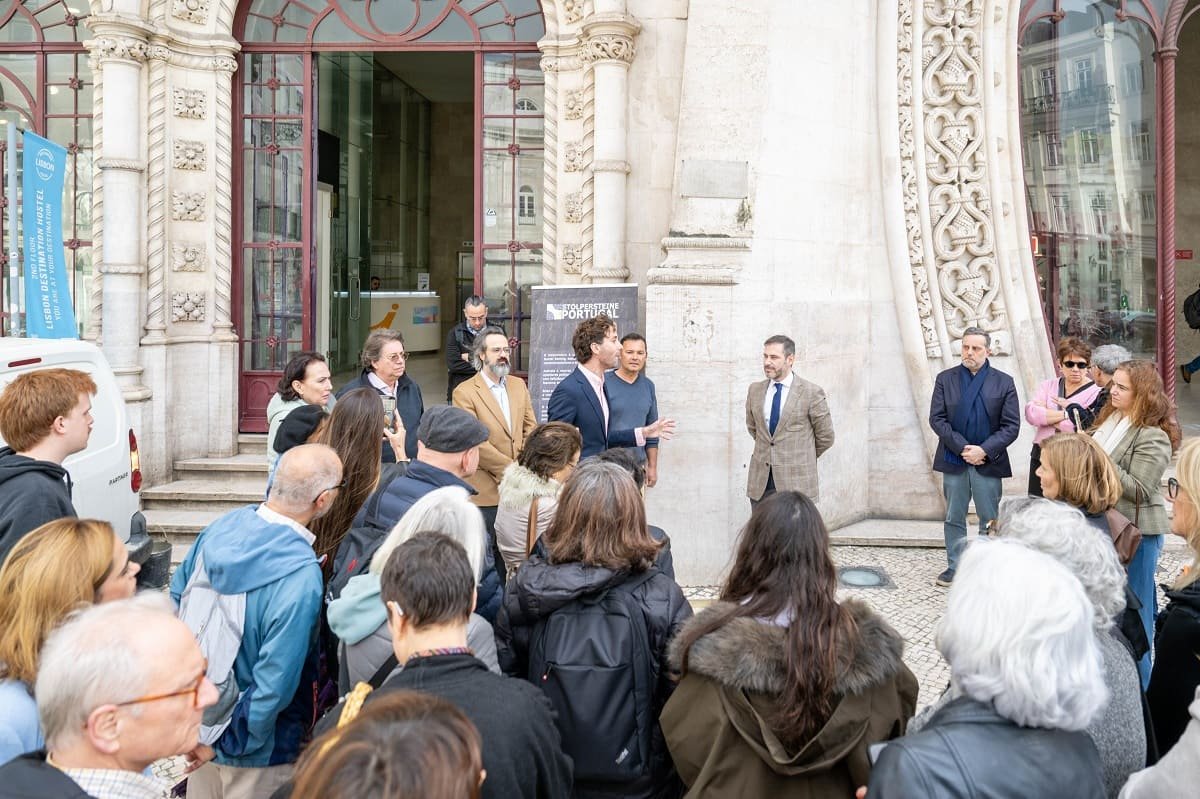
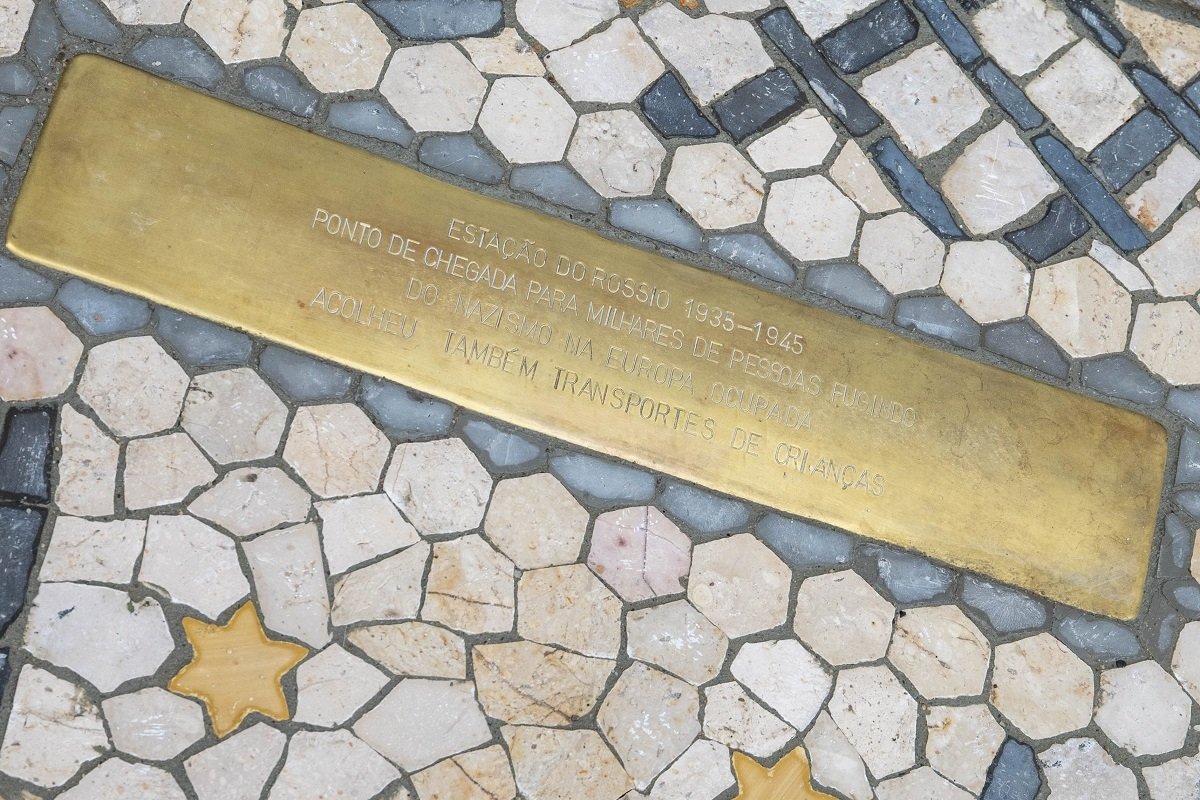
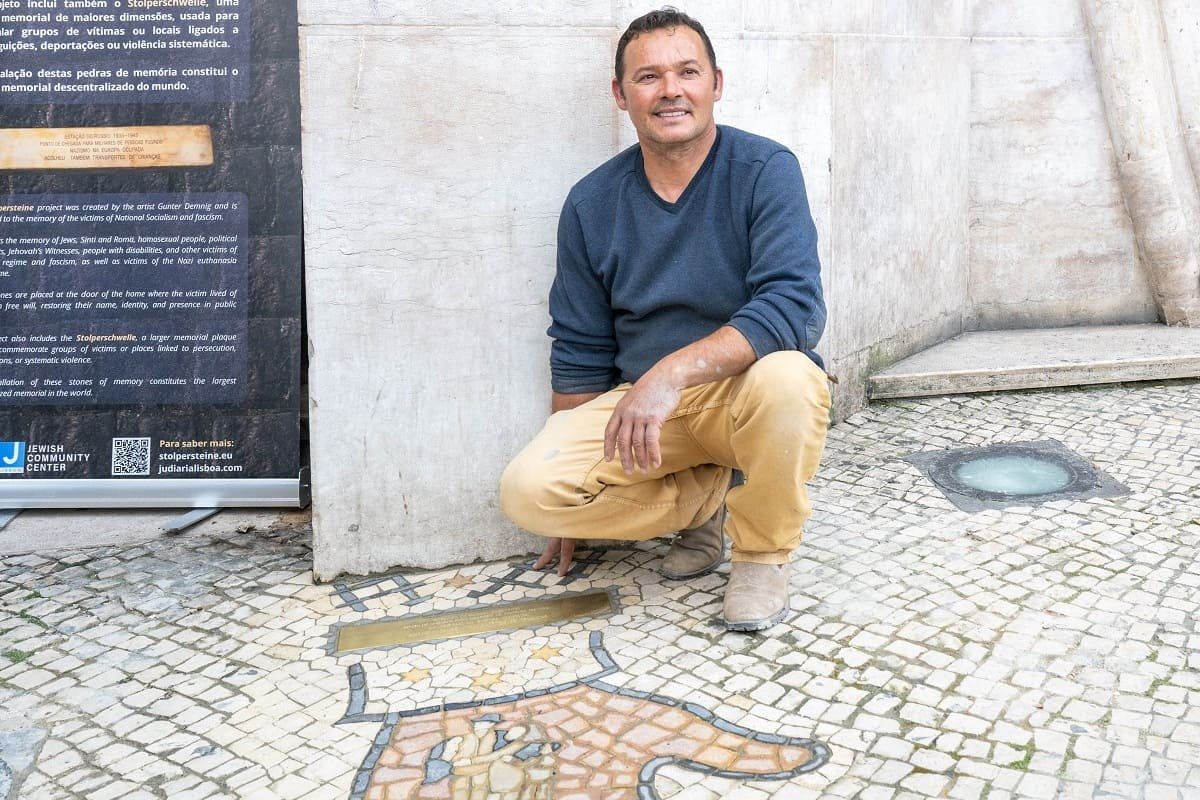
With the installation of two small monuments on the Portuguese sidewalk, at the entrance to Rossio Station and at Travessa do Noronha, the city of Lisbon is paying homage to the victims of the Holocaust and "reaffirming its firm commitment to combating anti-Semitism, racism, xenophobia and other forms of intolerance," said Diogo Moura, Councillor for Culture.
At the ceremony, near Rossio Station, attended by Oren Rozenblat, Israel's Ambassador to Portugal, Luciano Waldman, founder of the Jewish Cultural Center - Rua da Judiaria, and members of Lisbon's Jewish Community, Diogo Moura praised the relevance of the initiative for "valuing historical memory", in a country where the majority of Holocaust victims were not Jewish.
The aim of the project is to "create small monuments in memory of the victims of the Second World War who survived, who died during the deportations, in the concentration camps or by choosing suicide to escape extermination".
Stolpersteine, in German, means "stolpern =stumble ", "stein = stone", and is a project by German artist Gunter Demnig. The stones are placed in historical sites such as ports, squares, ghettos and others.
Rossio Station: It was one of the gateways for refugees from the Second World War, "mainly used to transport children from France. Between 1940 and 1944, the JDC Joint institution in the United States of America, the Jewish community in Lisbon and other Portuguese institutions organized a plan to remove, transport, house and send the children to other countries.
Travessa do Noronha: The Israeli Economic Kitchen was located at Travessa do Noronha, no. 17, where refugees were given refuge, food and medical support, and was a "symbol of resilience and encouragement in the face of the tragedies of the Second World War".