


Tsunami warning to be tested in Lisbon
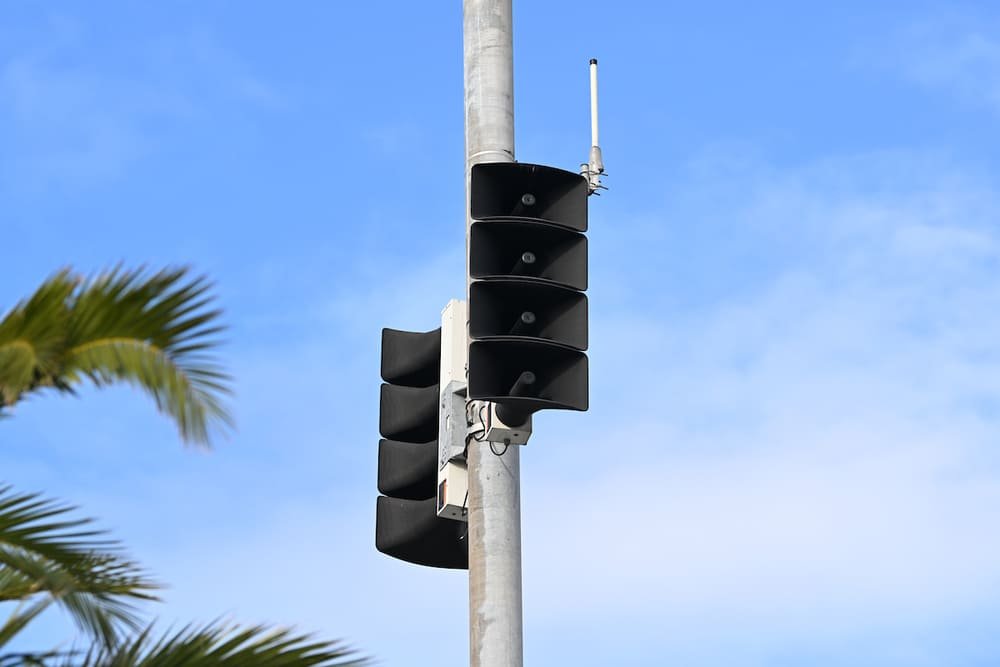
The LisbonWave26 exercise will take place between 10:30 a.m. and 12:00 p.m., with siren tests lasting around 30 minutes: the sequence of sounds will be followed by a voice message in Portuguese and English.
In addition to the four sirens already installed - at Praça do Império, Ribeira das Naus, Passeio Carlos do Carmo and Doca de Alcântara - Lisbon City Council aims to "have ten sirens in operation along the entire waterfront" by 2029.
"We've been investing more in Lisbon's Civil Protection", providing it with "more resources and more means", says the Mayor of Lisbon. This is "a crucial area, which has won recognition for its commitment and increasingly effective response", says Carlos Moedas.
In a city "exposed to various natural risks, such as earthquakes, tsunamis and floods, "exercises like LisbonWave26 are essential to reinforce the culture of prevention and safety". The aim, he adds, is to "make a decisive contribution to ensuring that the population has all the information and is prepared for emergency situations they may face in the future," concludes Carlos Moedas.
System presented to parishes and embassies
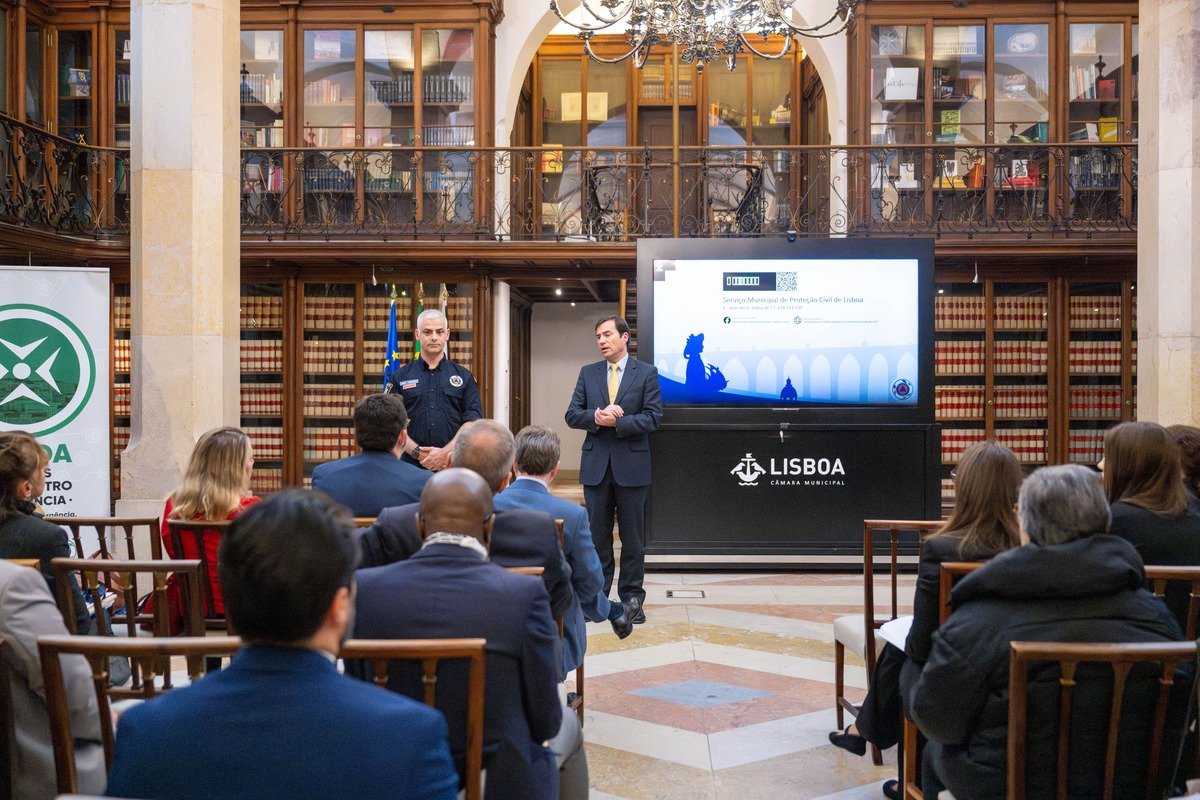
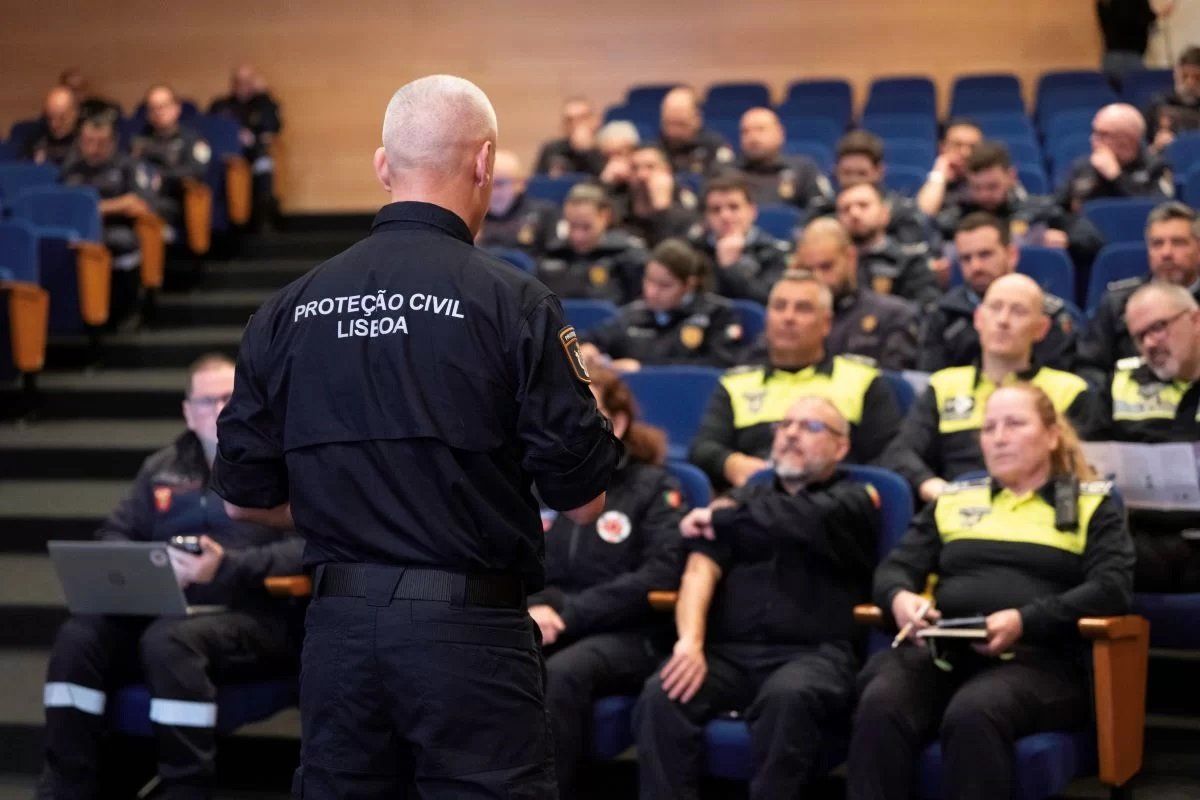
In order to better coordinate "all entities in a disaster scenario", CML organized two sessions to present the tsunami warning system, to Embassies on March 20 and to Lisbon Parish Councils on March 9.
At today's session - led by the director of the Municipal Civil Protection Service (SMPC), André Fernandes - the Councillor for Civil Protection, Rodrigo Mello Gonçalves, said: "We can't predict a tsunami, but Lisbon knows the risks and prepares accordingly. It's essential to test the organization and coordination of the various entities involved in the relief effort, thus increasing the city's resilience."
Whenever there is a seismic tremor, "as a precaution, citizens should move as far away as possible from the riverside area - even in a place where there is no tsunami warning - to find a higher and safer place", explains the director of the SMPC, André Fernandes, who also warns of the signs that may indicate a tsunami, for example, the receding of the water. "Anyone who is in a place where evacuation routes and meeting points are marked out should follow these signs," he added.
At the previous meeting with the Parish Councils, Councillor Rodrigo Mello Gonçalves "reinforced the executive's desire to collaborate in the implementation of the Local Civil Protection Units, already underway in the 24 parishes", as well as the local emergency plans. These issues were also discussed at a meeting with the eighth committee of the Lisbon Municipal Assembly on March 2.