


Rui Pereira, artist and Lisbon native
Rui Pereira, artist and Lisbon native
Art only makes sense when it leaves us and reaches others
Rui Pereira is from Lisbon and an artist. His relationship with the city began many years ago, and over time he has built a path where design, sculpture, painting and civic intervention have intersected in a natural way, always with the same conviction: "art is communication" and public space can be "a place where the city recognizes itself".
With a degree in Fine Arts, he found a language of creation that has accompanied him from an early age. He began drawing as a child and grew up with the awareness that art could be more than individual expression. It could be an encounter. It could be presence. It could be a way of making sense of our surroundings. "If art doesn't add something to people's lives, it loses its meaning," he says, summing up an idea that runs through all his work.
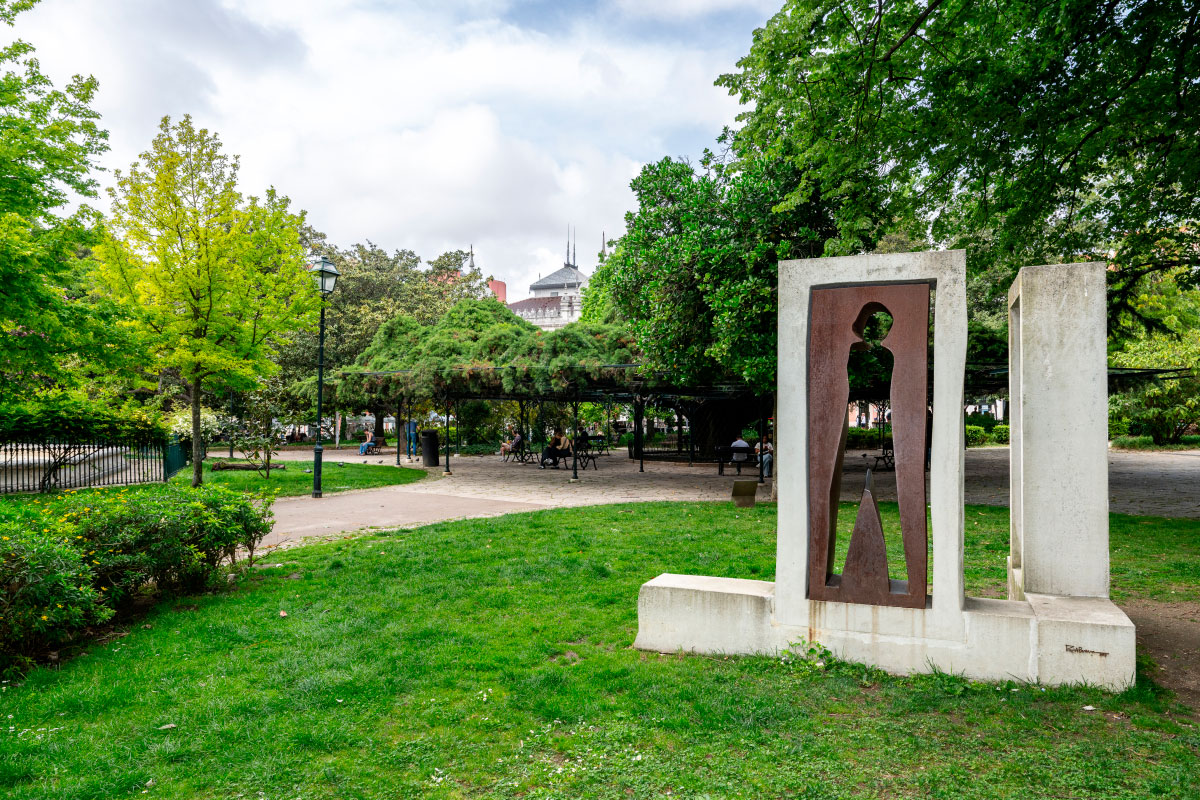
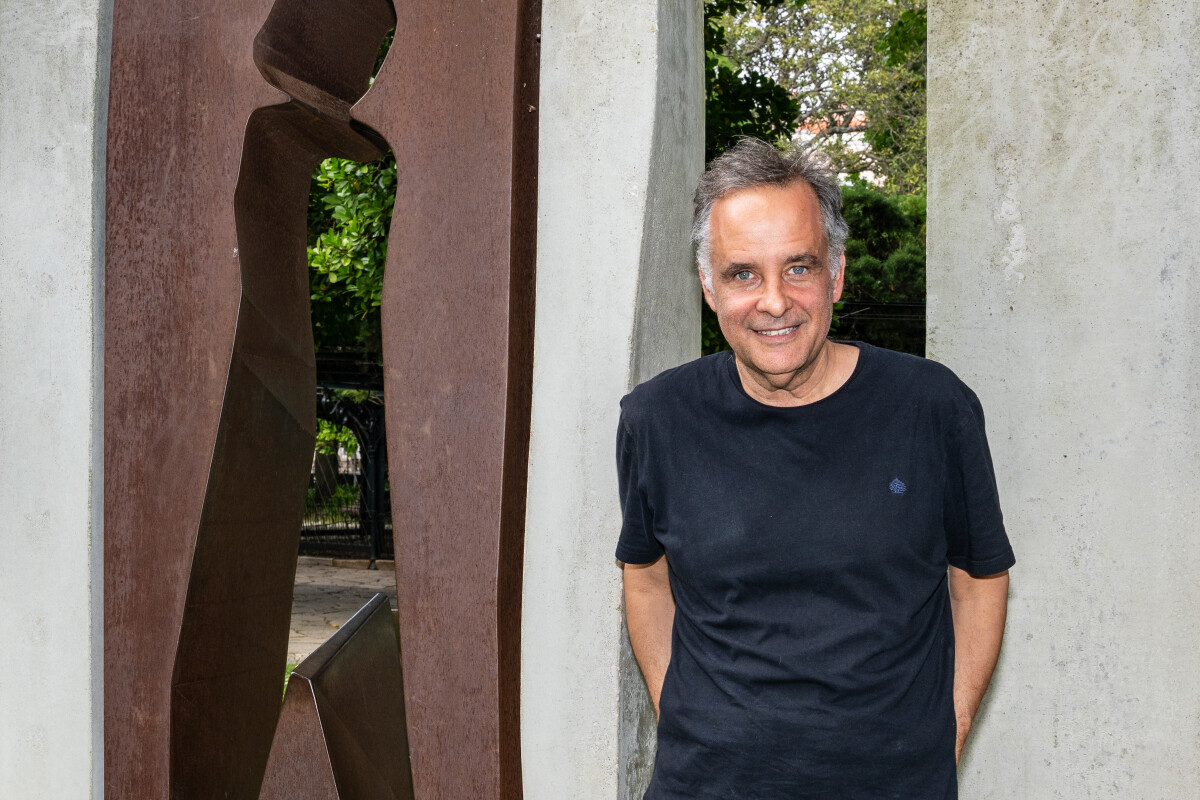
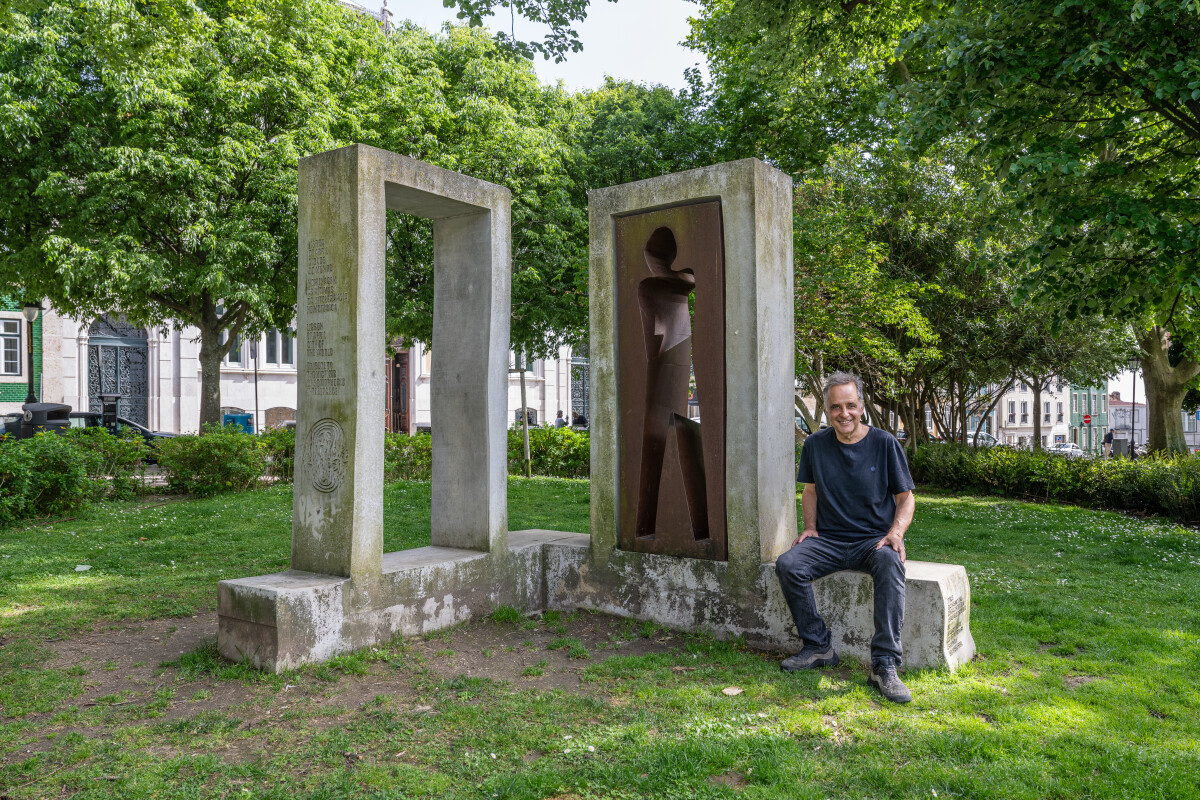
At Lisbon City Hall, where he has worked for more than 30 years, he began by developing projects linked to graphic design, creating institutional pieces, trophies, representational objects and supports for the municipality's cultural and protocol initiatives. Over time, this work has taken on a new dimension. The pieces stopped living only indoors and began to occupy the city itself, transforming Lisbon into an "open gallery where art intersects with everyday life".
This idea accompanies each intervention. In different districts of the city, Rui Pereira has left works that seek to engage with passers-by. Some are discreet, others are imposing due to their scale, but they all have the same intention: to create a relationship between memory, identity and citizenship. For the artist, public works should have the "ability to interrupt routine and create an instant of reflection".
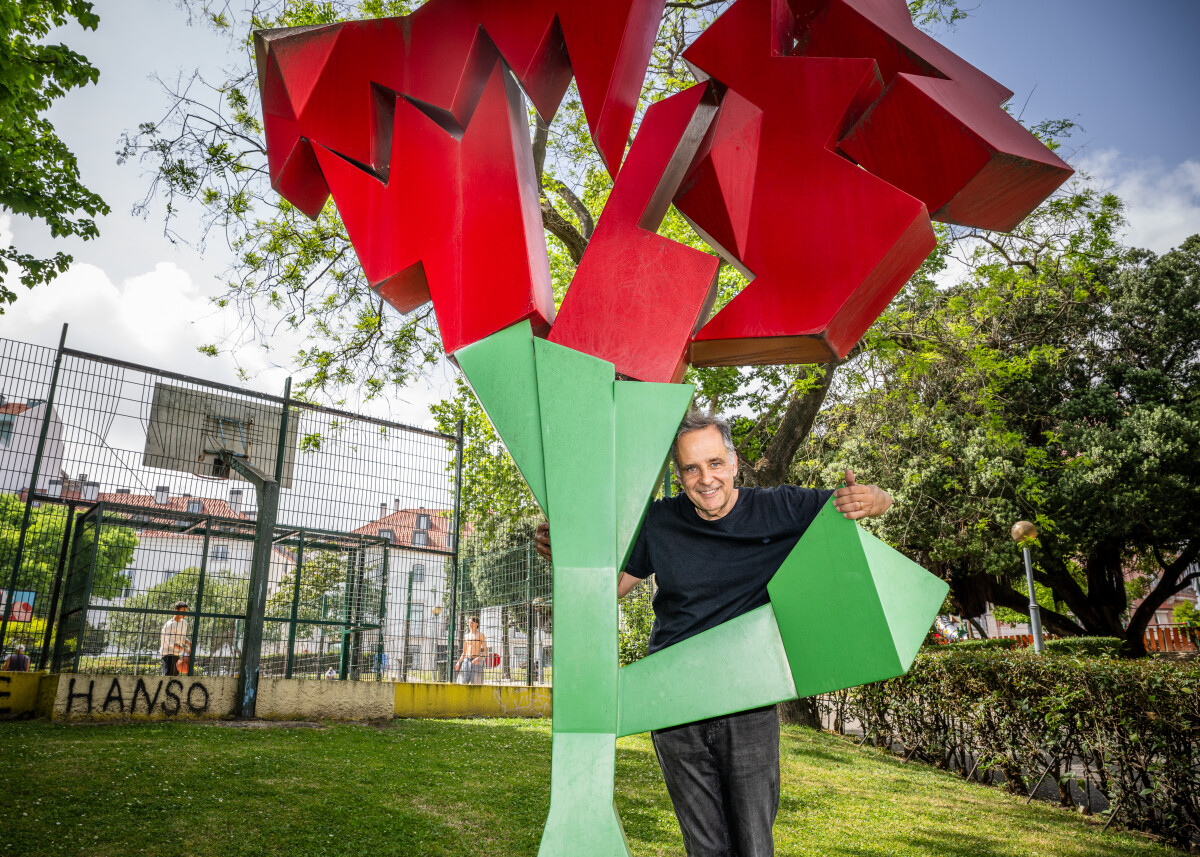
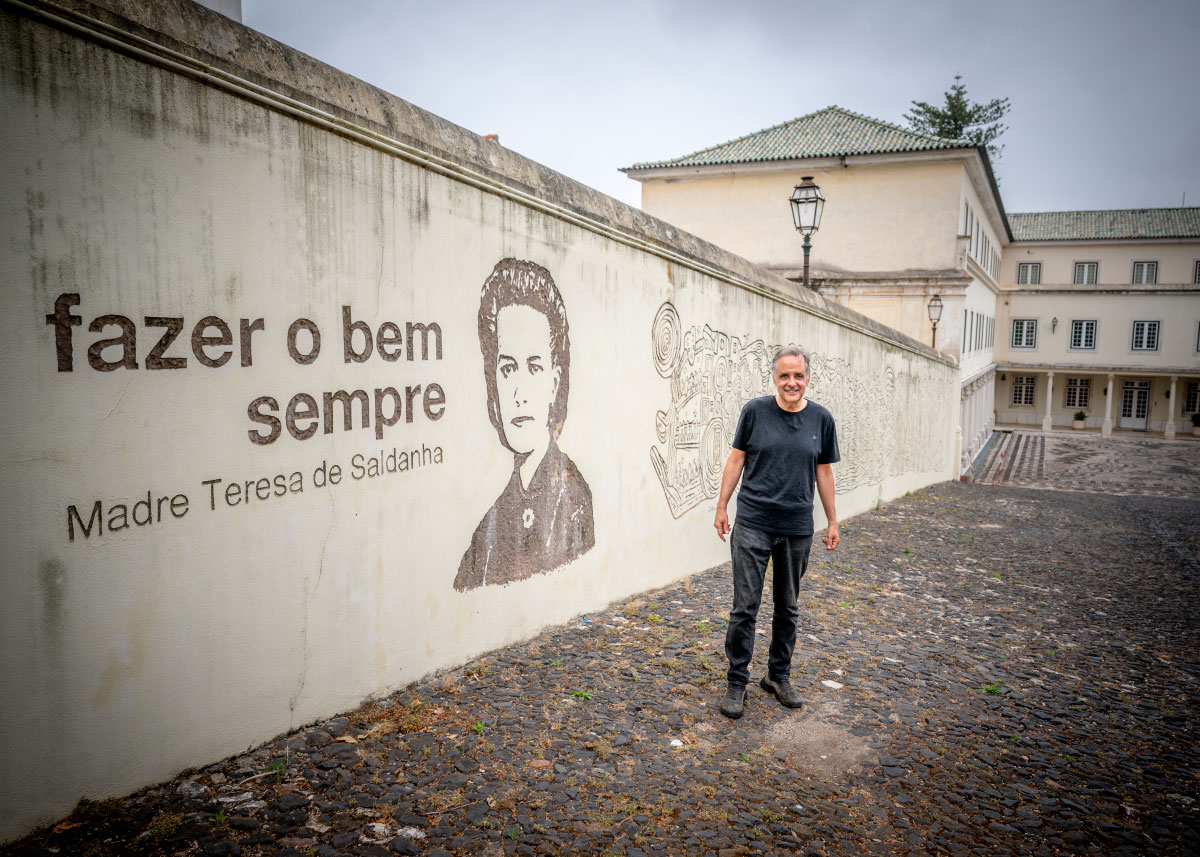
Among the pieces that most mark his career is the large harpsichord installed in the Campo dos Mártires da Pátria. And at this time of year, when April 25th is being commemorated, the work takes on a new meaning. More than a tribute to the Revolution, the carnation was designed as a symbol of collective construction, says the artist: "Freedom is more than just a date on the calendar. It's a collective construction. And he adds: "Each person can be a petal and it is in this sum of individual gestures that April continues to be built".
In other parts of the city, the same thought takes other forms. In Príncipe Real, a sculpture affirms an idea of inclusion that he considers essential in the common space. In Benfica, Campo Grande and other parts of Lisbon, his works continue to underline values that he considers inseparable from urban life: dignity, equality and respect for others.
For Rui Pereira, the city also has a responsibility to educate. Every square, every garden, every street can be a meeting place between people and what makes them think. That's why he sees public art as "a form of civic participation, not as a decorative gesture, but as a presence capable of creating a connection between those who live in the city".
Over more than three decades working in Lisbon, he has accompanied the city's transformation and left his own mark on it. A silent but visible mark, built between artistic creation and public service. "Lisbon is a living place, made up of people and memory," he says. And it is precisely this vision that runs through his career: that a city is "built with streets and buildings, but also with what it chooses to make visible about itself".