


European Commission visits work on the General Drainage Plan
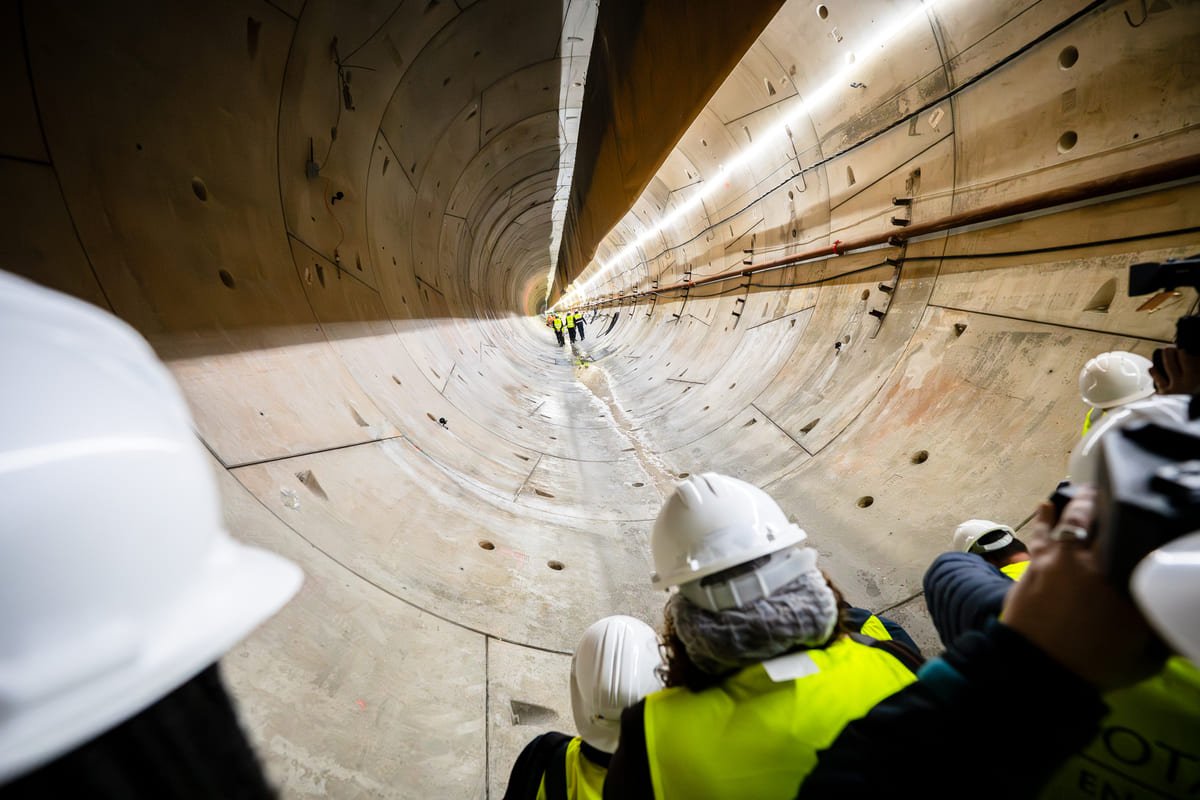
This is "the largest climate adaptation project in Europe", said Carlos Moedas. The project's two tunnels, one 5 km long and one 1 km long, "are made thanks to the efforts of Lisbon residents, but also to the efforts of the European Union, through the "Sustainable 2030" program, which has guaranteed Lisbon "funding of 50 million euros" for the two tunnels.
During the recent rains, the mayor recalled, "the tunnel we have in Sete Rios, under the Zoo, has already prevented the situation in Lisbon from getting worse". The day it's all built, "we'll avoid flooding in Lisbon and that's extremely important for our future", he stressed.
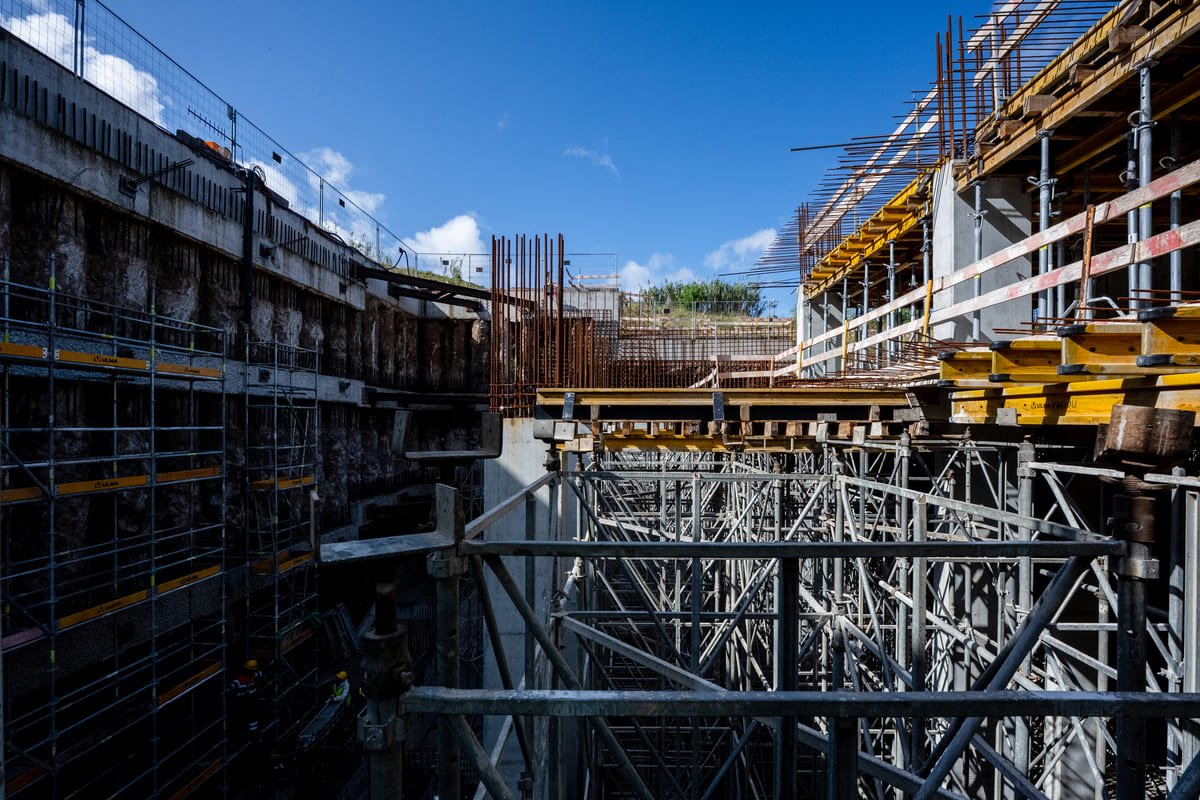
The work on the drainage plan "is more than these two tunnels," he said. It's also the retention basins in Praça de Espanha, where "if there's a flood, that whole area becomes a retention basin, preventing flooding in the city, or what we've done under the Zoo, which is a tunnel almost 3 meters in diameter", integrated into the PGDL.
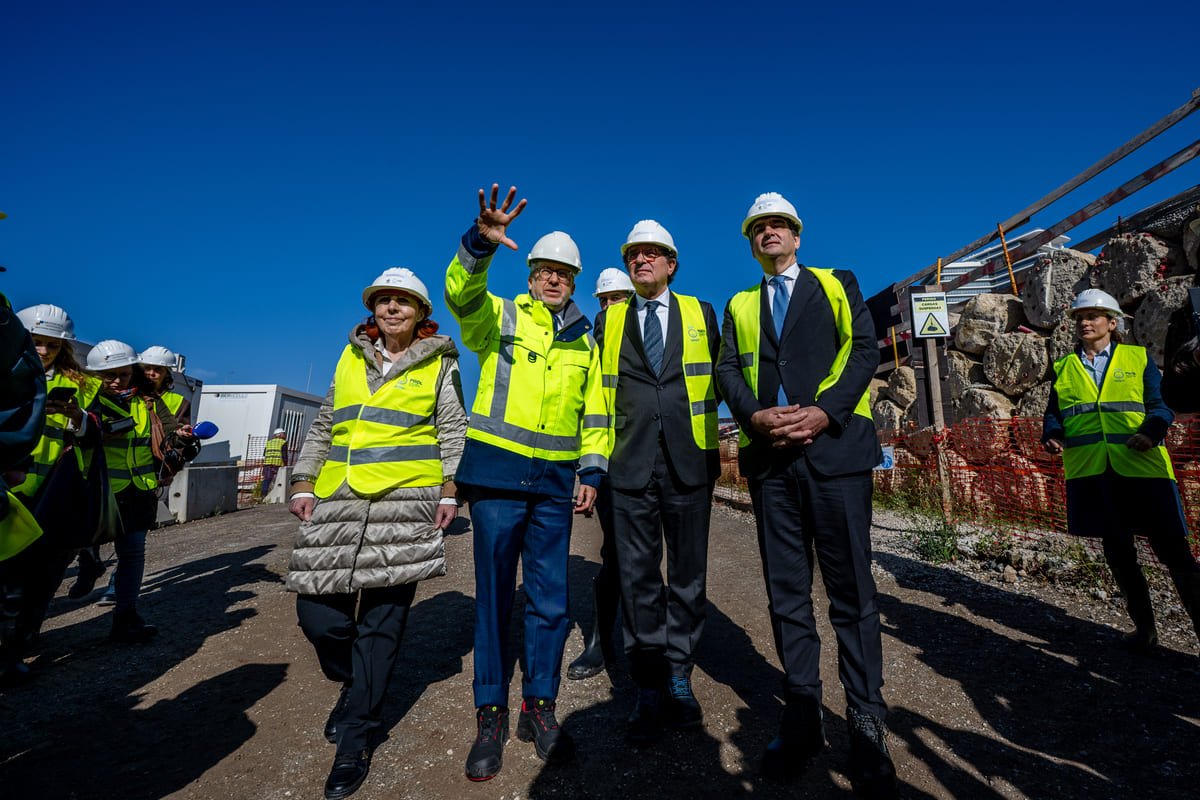
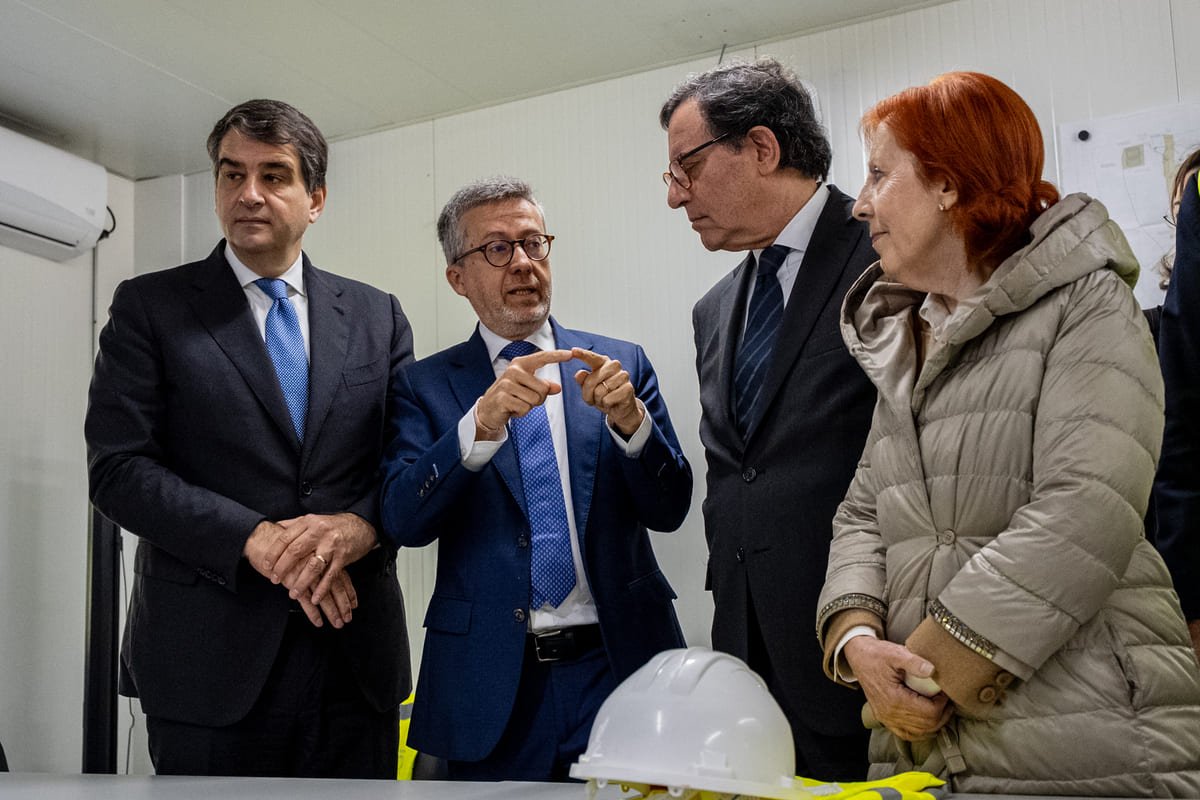
During his visit to the Campolide construction site, the vice-president of the European Commission was accompanied by the mayor of Lisbon, Carlos Moedas, and the ministers for the Environment and Energy and for the Economy and Territorial Cohesion, Maria da Graça Carvalho and Manuel Castro Almeida. Raffaelle Fitto's presence in Lisbon gives international visibility to a project that is "invisible to the eye, but visible because of what it does, which is to prevent flooding, and so it's very important to give this visibility not only in the country," concluded Carlos Moedas.
This project is co-financed by European funds through "Sustainable 2030".