


TVDE platforms with reinforced rules in Lisbon
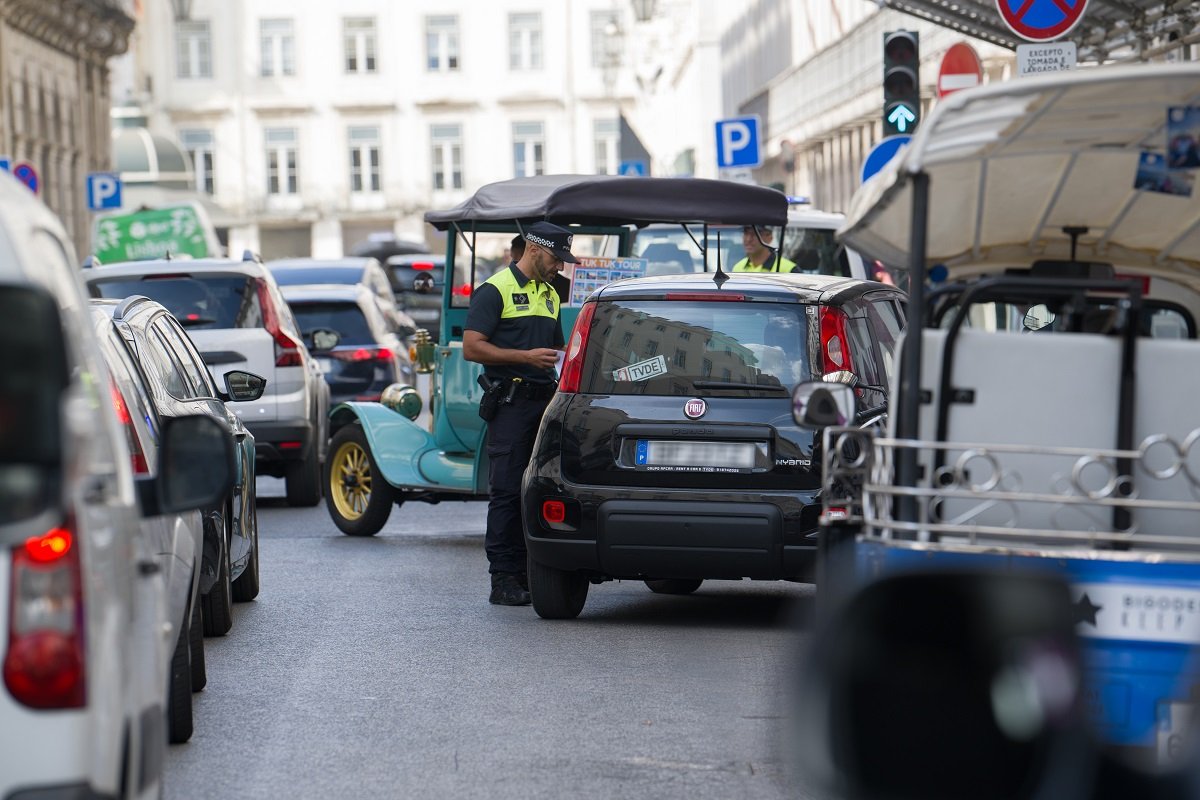
The protocol establishes four main axes: creation of zones where it is forbidden to start or end journeys, definition of specific areas for picking up and dropping off passengers, reinforcement of compliance with the Highway Code and progressive transition to electric vehicles.
The so-called red zones will cover areas of high tourist pressure and BUS corridors, including the central axes of Avenida da Liberdade, Avenida da República, Avenida D. João II, Avenida Padre Cruz, Rua de São Pedro de Alcântara, Rua do Ouro and Rua de Belém. In these areas, drivers will be prevented from starting or ending journeys.
At the same time, blue zones will be created for picking up and dropping off passengers, similar to the existing model at Lisbon Airport. Among the locations identified are Praça do Império, next to the Jerónimos Monastery, Oriente Station and Campo das Cebolas.
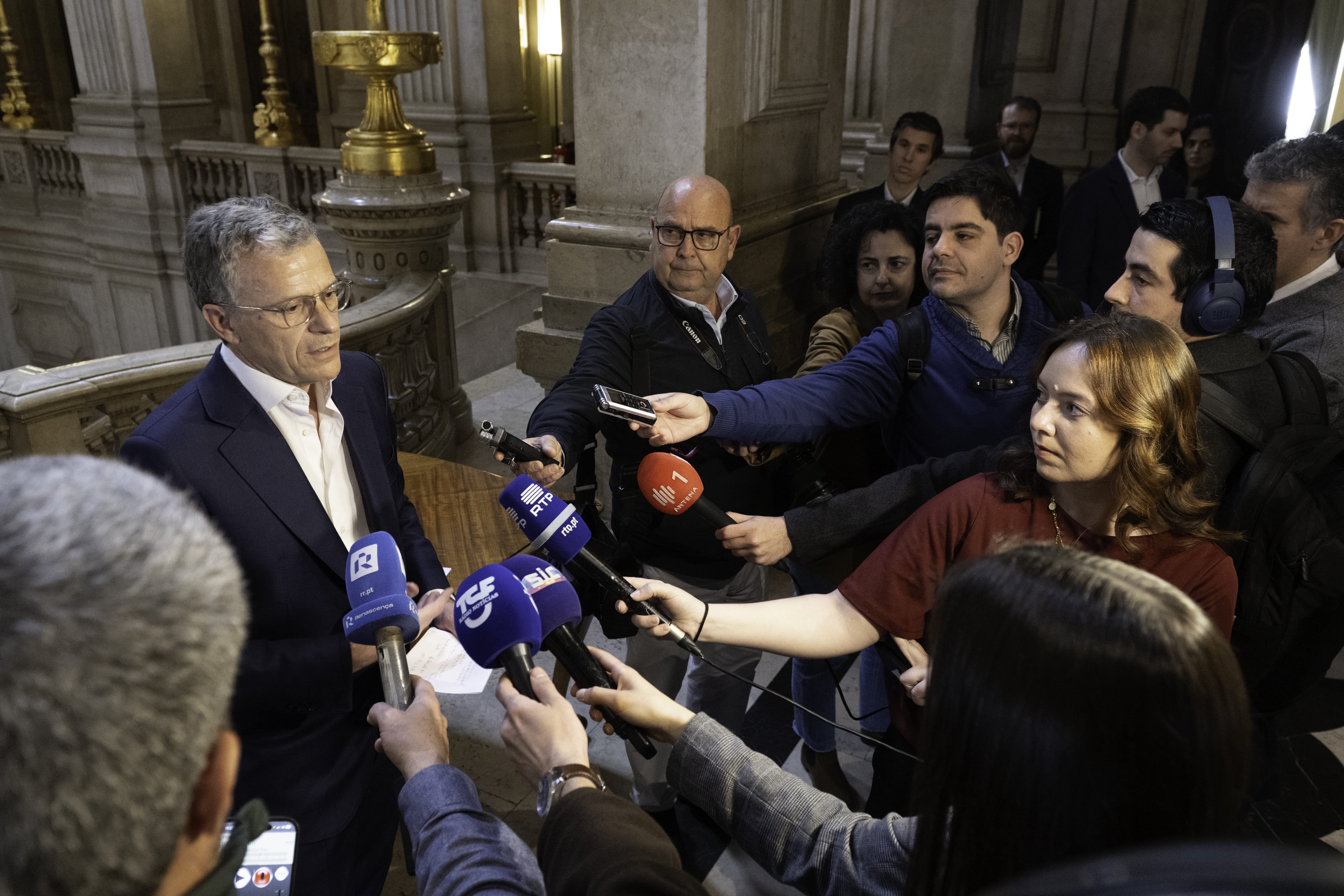
"Our aim is to ensure the best possible coexistence between everyone, as well as the smooth flow of traffic" in Lisbon, said Carlos Moedas. The agreement aims to "protect citizens, historic and high-pressure areas and provide harmonious mobility in the city".
The vice-president of CML and councillor for Mobility, Gonçalo Reis, stressed that some measures could come into force immediately via the platforms' apps. "We want Lisbon's traffic to be increasingly regulated, orderly and qualified," he said.
The agreement also imposes obligations on the platforms to promote compliance with traffic rules, with a special focus on the prohibition of second-row stops, occupying crosswalks and circulating in BUS lanes.
In terms of the environmental component, the companies undertake to ensure that 60% of the fleet is electric by the end of 2026, progressively increasing to 100% by 2030. Currently, around 43 % of TVDE vehicles in Portugal are already electric.
At the signing of the agreement between CML - represented by Gonçalo Reis - UBER and BOLT, the representatives of the TVDE Platforms, Francisco Vilaça, from Uber, and Mário de Morais, from Bolt, agreed that "this agreement is an important step for the future of mobility in Lisbon", and stressed the importance of "continuous dialogue" with CML "for a more organized, sustainable city with a better quality of life".